Hardware OEM / ODM Development

OEM / ODM Hardware Development

Start with a drawing, physical sample, product reference or market requirement. Married Metals reviews the practical route from requirement clarification and sample confirmation to packaging and production coordination.

Production feasibility is subject to technical and commercial review.

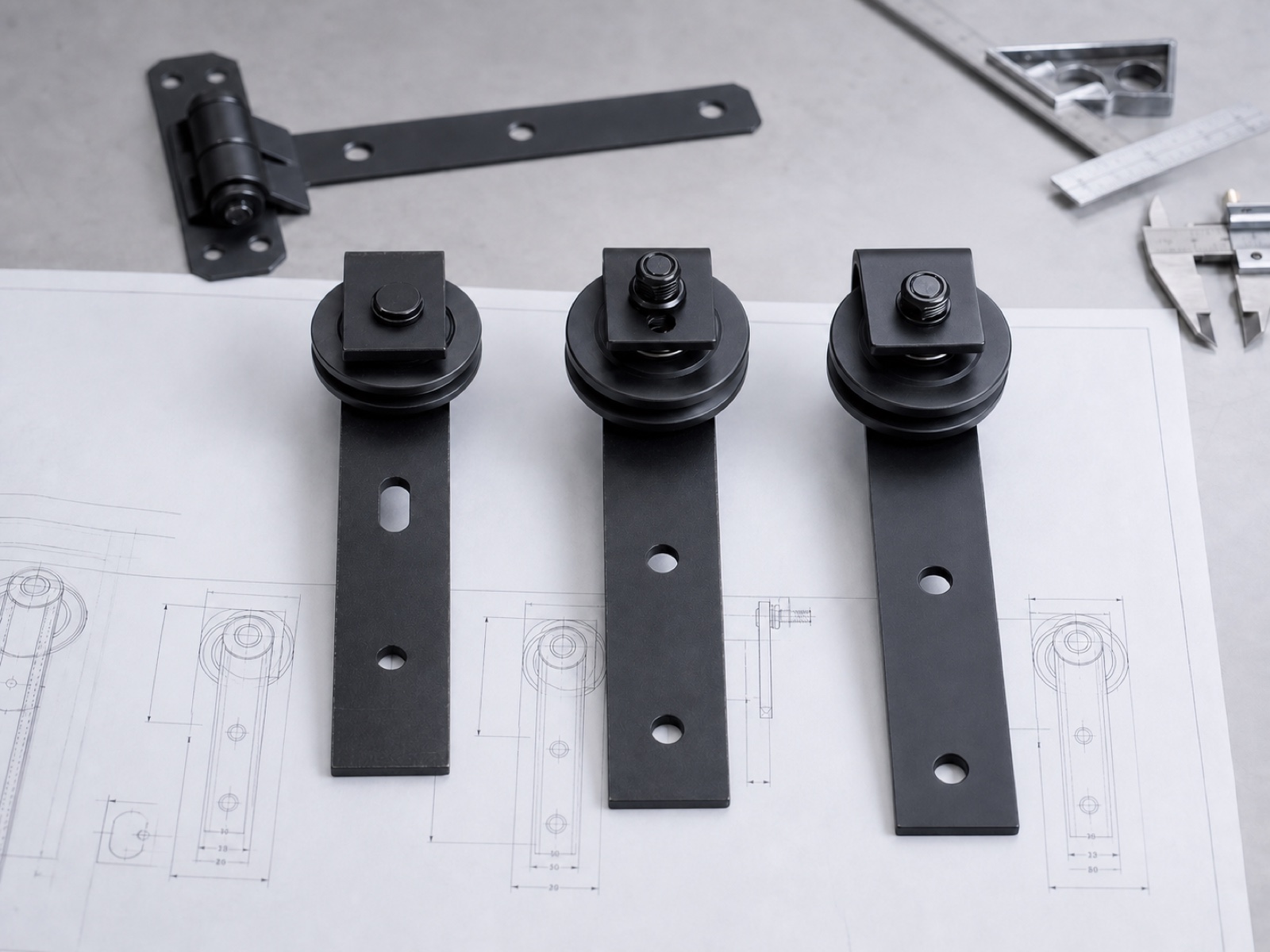
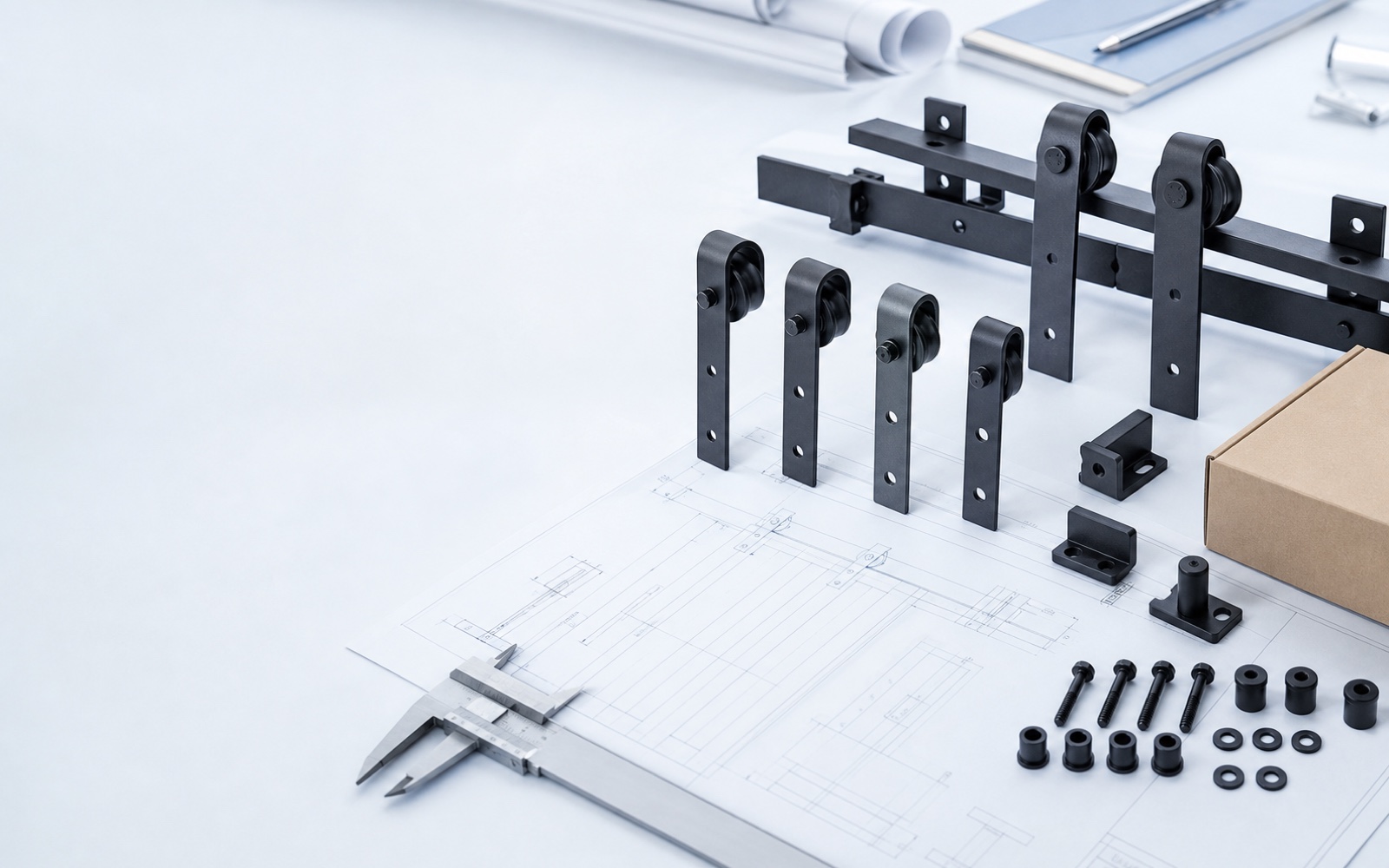
Illustrative OEM and ODM development worktable with drawing, measuring tool, samples and packaging conceptOEM / ODM Development Process
01Drawing / Requirement
02Prototype / Sample
03Approved Production
01Drawing or sample
02Technical evaluation
03Approval checkpoints
04Production coordination

Choose the development route

OEM and ODM Start from Different Buyer Inputs

The right route depends on how complete your existing specification is. Both routes move forward only after the product scope and feasibility are reviewed.

OEM

Buyer-led specification

Build Around Your Specification

Suitable when you already have a drawing, sample, bill of materials or clearly defined product specification and need manufacturing feasibility review.

  • Drawing- or sample-based review
  • Requested changes identified before sampling
  • Final specification confirmed before production
ODM

Direction-led development

Develop From a Product Direction

Suitable when you have an application, reference product, target market or range concept that still requires product-definition and feasibility review.

  • Application and reference clarification
  • Structure and component direction evaluated
  • Prototype route proposed after technical review
Not sure which route fits?Share what you have. The next practical review step can be confirmed from there.Discuss the requirement

Professional buyer scenarios

Development Support Built Around B2B Requirements

Project information is reviewed according to product scope, application, estimated quantity, packaging needs and the requested approval process.

01

Importers

Develop a market-ready product around an existing specification or sourcing target.

02

Distributors

Coordinate product, assortment and packaging requirements for a defined sales channel.

03

Door & Hardware Brands

Review a branded product direction, component combination or range extension.

04

Wholesale & Project Buyers

Evaluate a requirement around application, quantity and project documentation.

05

Private-Label Product Teams

Coordinate product marking, manuals and packaging after feasibility review.

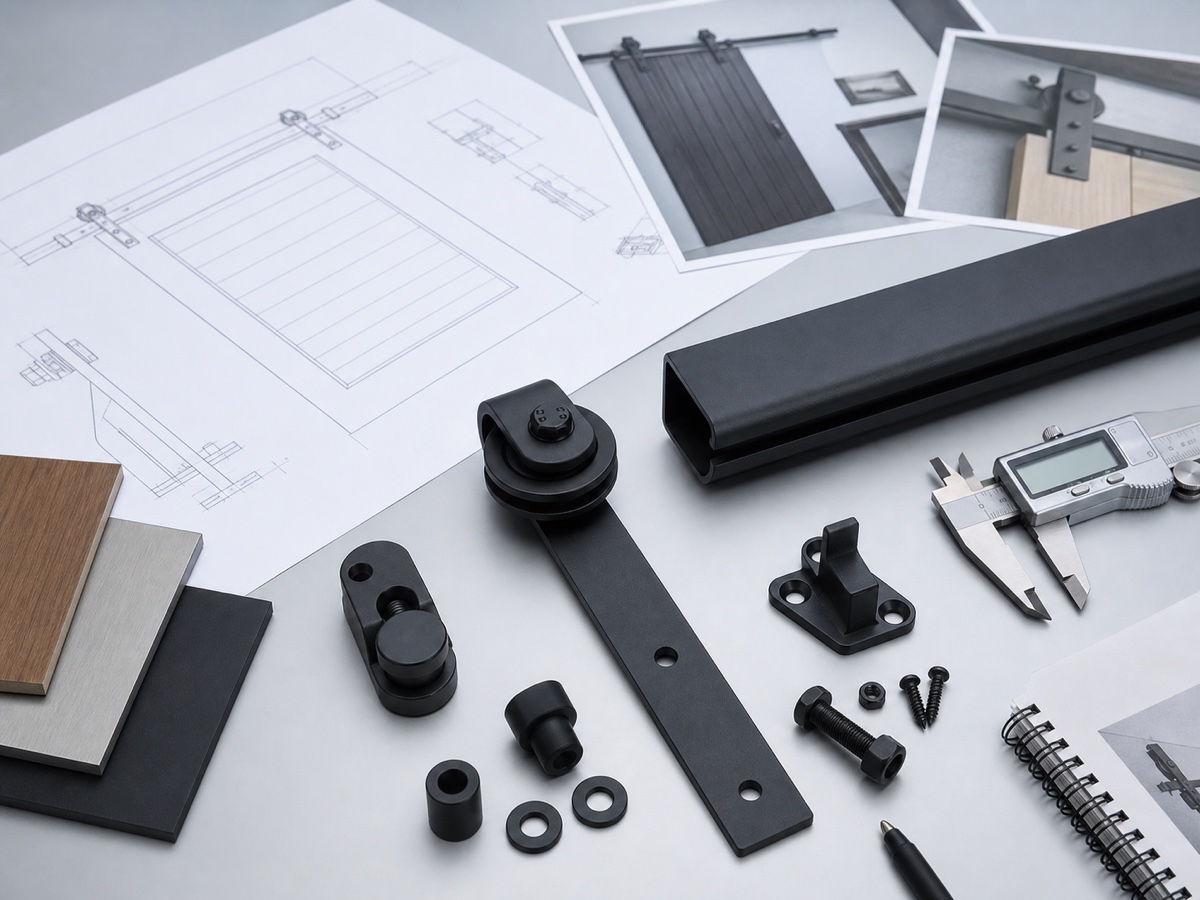
Illustrative technical drawing and product requirement evaluation materials

Prepare the project brief

What Buyers Can Provide for Evaluation

You do not need every item at the first contact. More complete inputs help clarify the product, feasibility questions and an appropriate next step.

01

Drawing or dimensions

Share available drawings, measurements and key installation relationships.

02

Physical sample

A reference sample can help clarify structure, function and requested changes.

03

Reference photos & application

Show the intended use, installation condition or comparable product direction.

04

Material & finish target

Describe the requested appearance and any known material requirements.

05

Estimated quantity

A quantity range helps the commercial and production route review.

06

Packaging & label request

Include brand, barcode, manual and pack-out expectations where available.

07

Testing requirements

Share destination-market or buyer-specific testing needs for coordination review.

08

Requested timeline

Provide the preferred schedule so the next steps can be evaluated realistically.

Project-specific evaluation

Customization Scope We Can Review

Available options depend on product requirements. Each item below is reviewed together with its effect on feasibility, quantity, sampling and production.

01

Product structure

Functional layout and component relationship

02

Dimensions & hole position

Drawing-based dimensional review

03

Material direction

Options depend on product requirements

04

Surface finish & color

Appearance targets reviewed by reference

05

Component combination

Kit contents and matching parts

06

Logo, label & manual

Private-label details after approval

07

Inner & outer packaging

Pack-out reviewed with product and quantity

08

Inspection & testing plan

Project-specific checkpoints and coordination

Real references + development direction

Existing Categories That Can Start a Project Discussion

The first three cards use Married Metals product references. The final card broadens the discussion to additional drawing- or sample-based hardware directions.

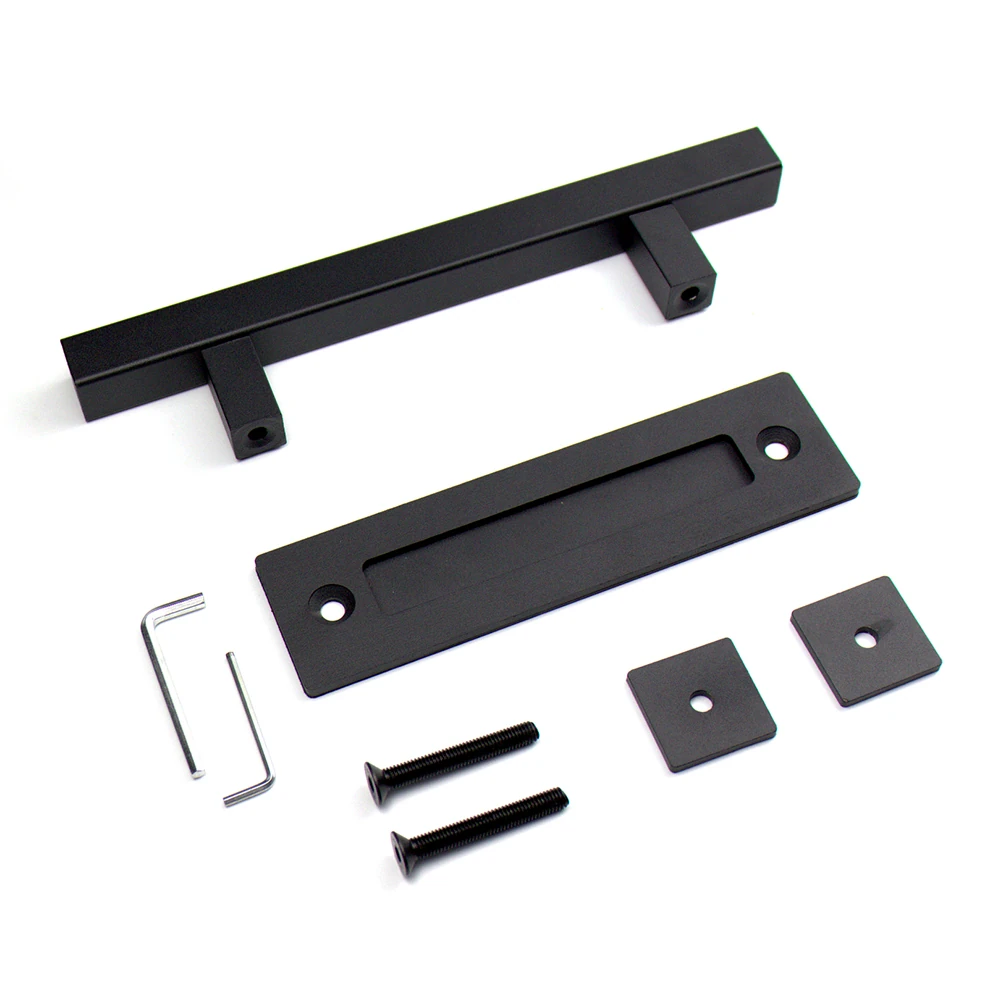
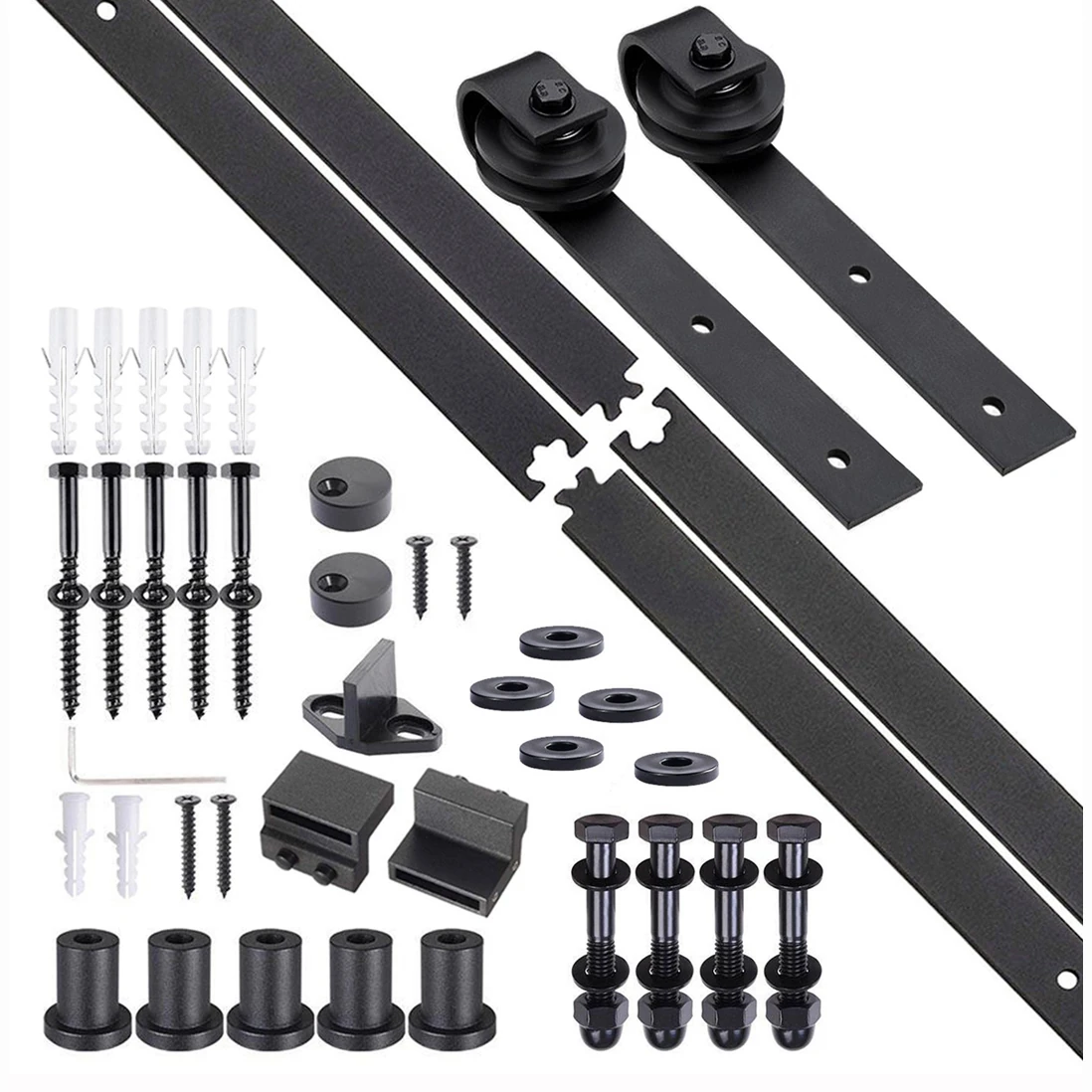
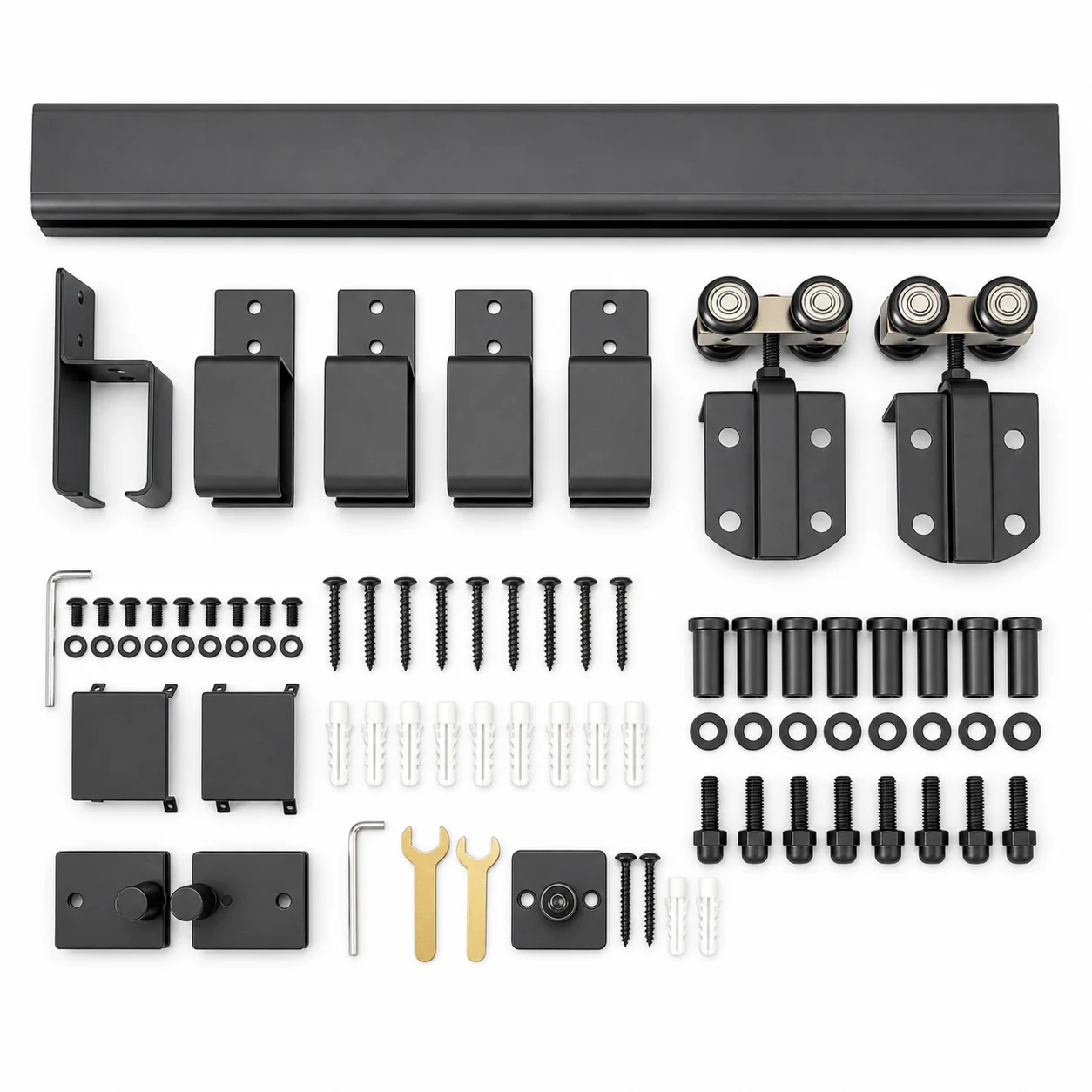
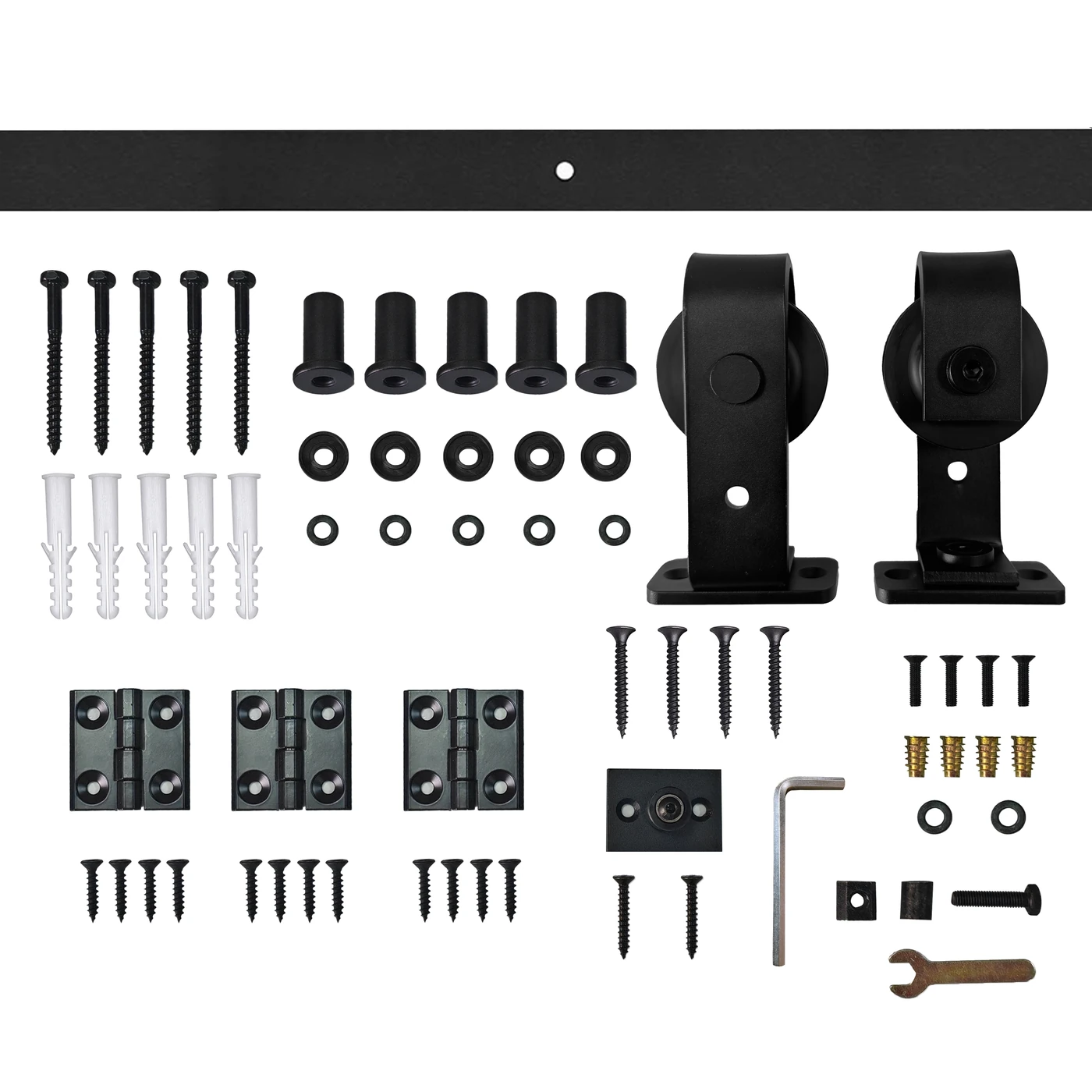
Real product reference: Barn Door Hardware Kits

Barn Door Hardware Kits

Tracks, rollers and coordinated kit contents

Real product reference: Handles, Locks & Accessories

Handles, Locks & Accessories

Supporting product and private-label range review

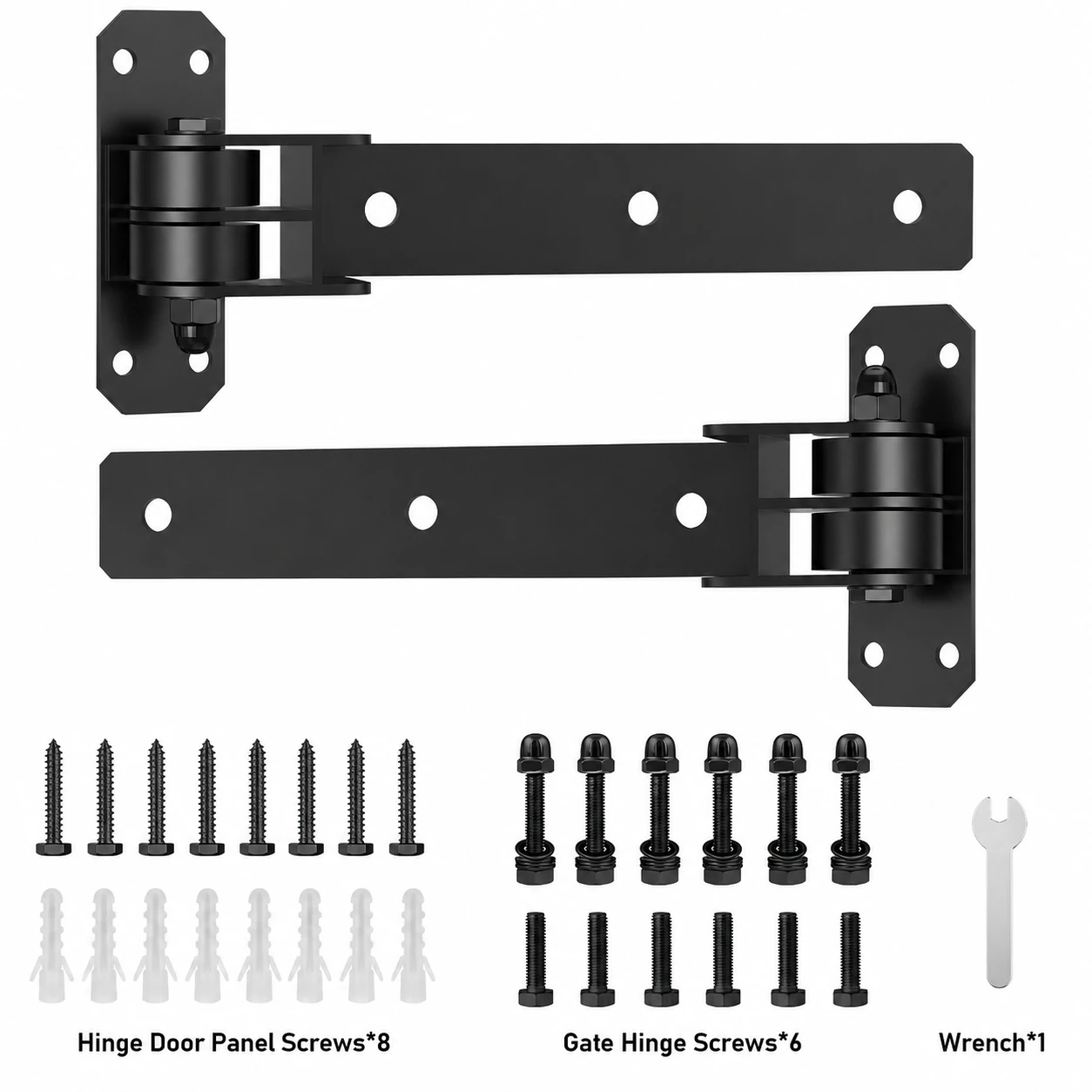
Real product reference: Garden Hardware

Garden Hardware

Gate and outdoor hardware project references

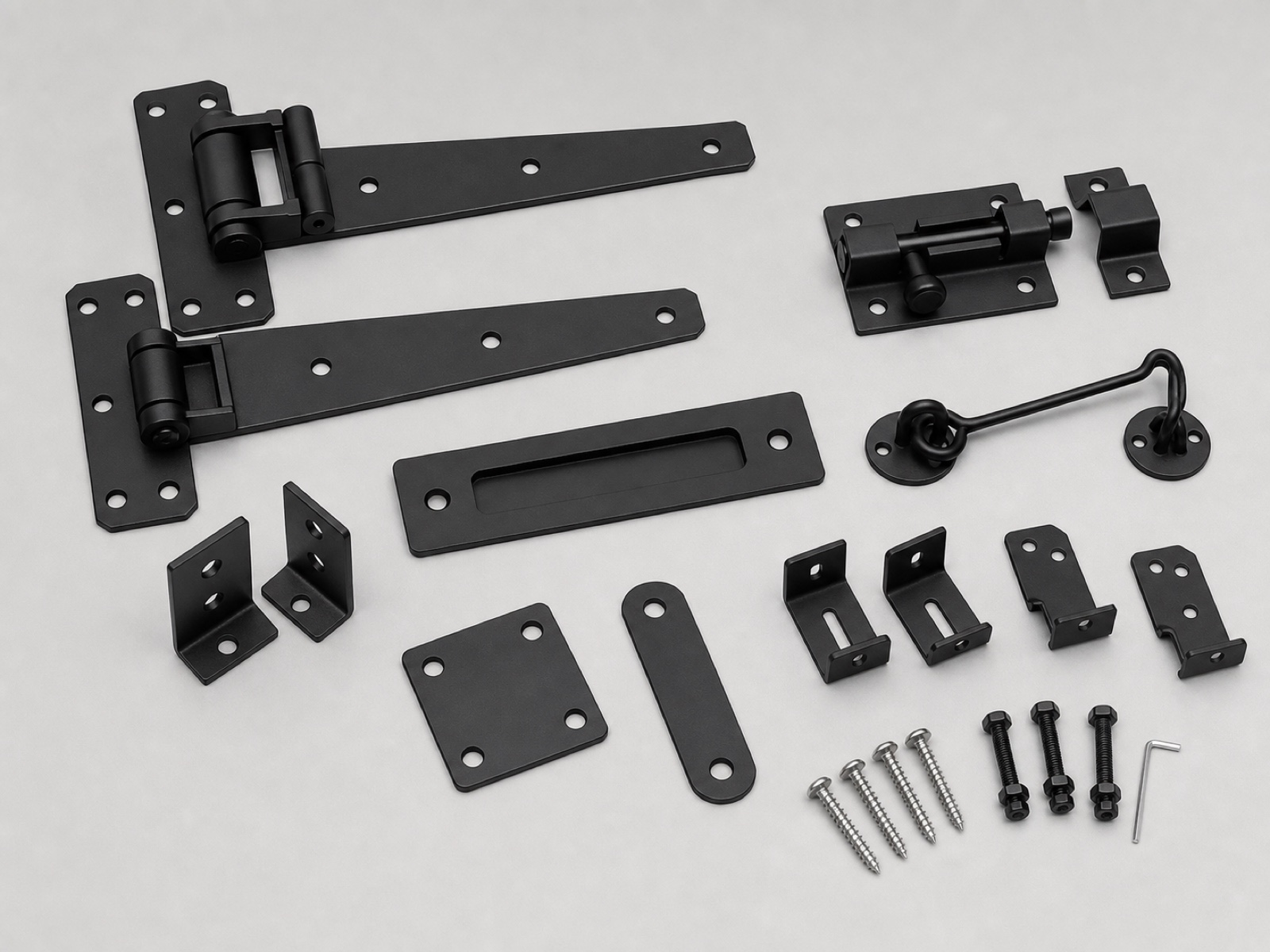
Illustration of gate, lock, handle, bracket and connector hardware directions

Other Hardware Development Directions

Illustrative mix for drawing- or sample-based feasibility discussion

Controlled review points

OEM / ODM Development Workflow

Stage movement depends on technical and commercial review. Approval points keep assumptions visible before the project advances.

  1. 01

    Project Brief

    Drawing, sample, reference or product direction is submitted for initial review.

  2. 02

    Feasibility Review

    Product structure, requirements, quantity and practical manufacturing route are evaluated.

  3. 03

    Requirement Proposal

    The review scope, open questions and proposed next step are clarified.

  4. 04

    Prototype / Sample

    Sample arrangements are reviewed project by project after scope confirmation.

  5. 05

    Buyer Review & Approval

    Dimensions, function, finish and relevant packing details are checked.

  6. 06

    Final Specification

    Final specifications are confirmed before mass production coordination.

  7. 07

    Production Coordination

    The approved requirement is transferred into the agreed production route.

  8. 08

    Inspection, Packing & Delivery

    Approved checkpoints, packing instructions and shipment details are coordinated.

Confirm before production

Prototype, Sample Review and Approval Logic

Sample arrangements are reviewed project by project. Revisions and their effect on the next sample or production step are re-evaluated before confirmation.

Illustrative progression from an early generic metal prototype to a refined sample
01
Prototype Development

Review form, dimensions and practical manufacturability before the approval sample.

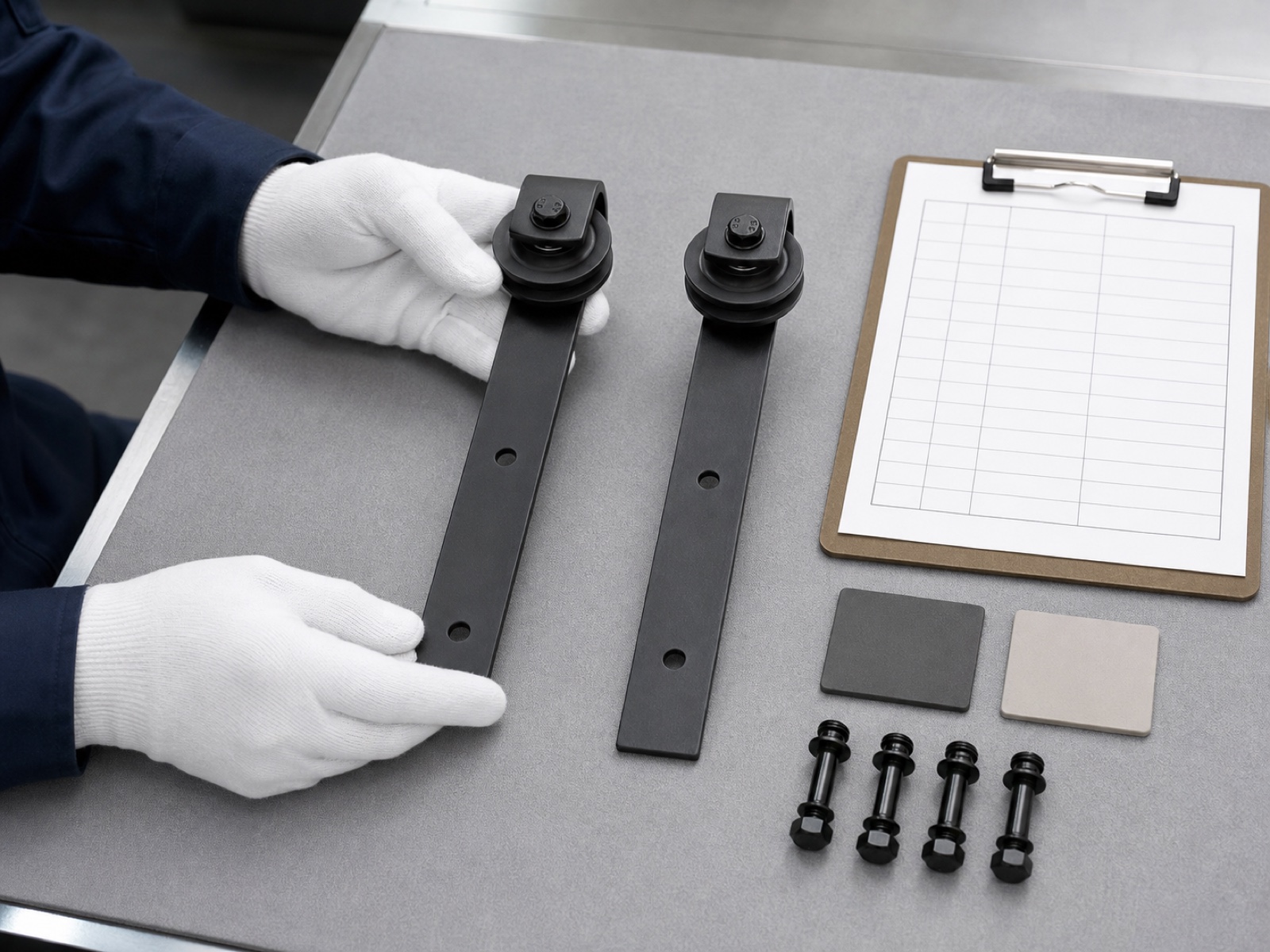
Illustrative side-by-side comparison of two finished barn door roller hanger samples
02
Sample Review & Approval

Approval can include relevant dimensions, function, finish, components and packaging details.

Final specifications are confirmed before mass production.Requested revisions may affect cost, schedule and sampling route.Approval records follow the agreed project scope.
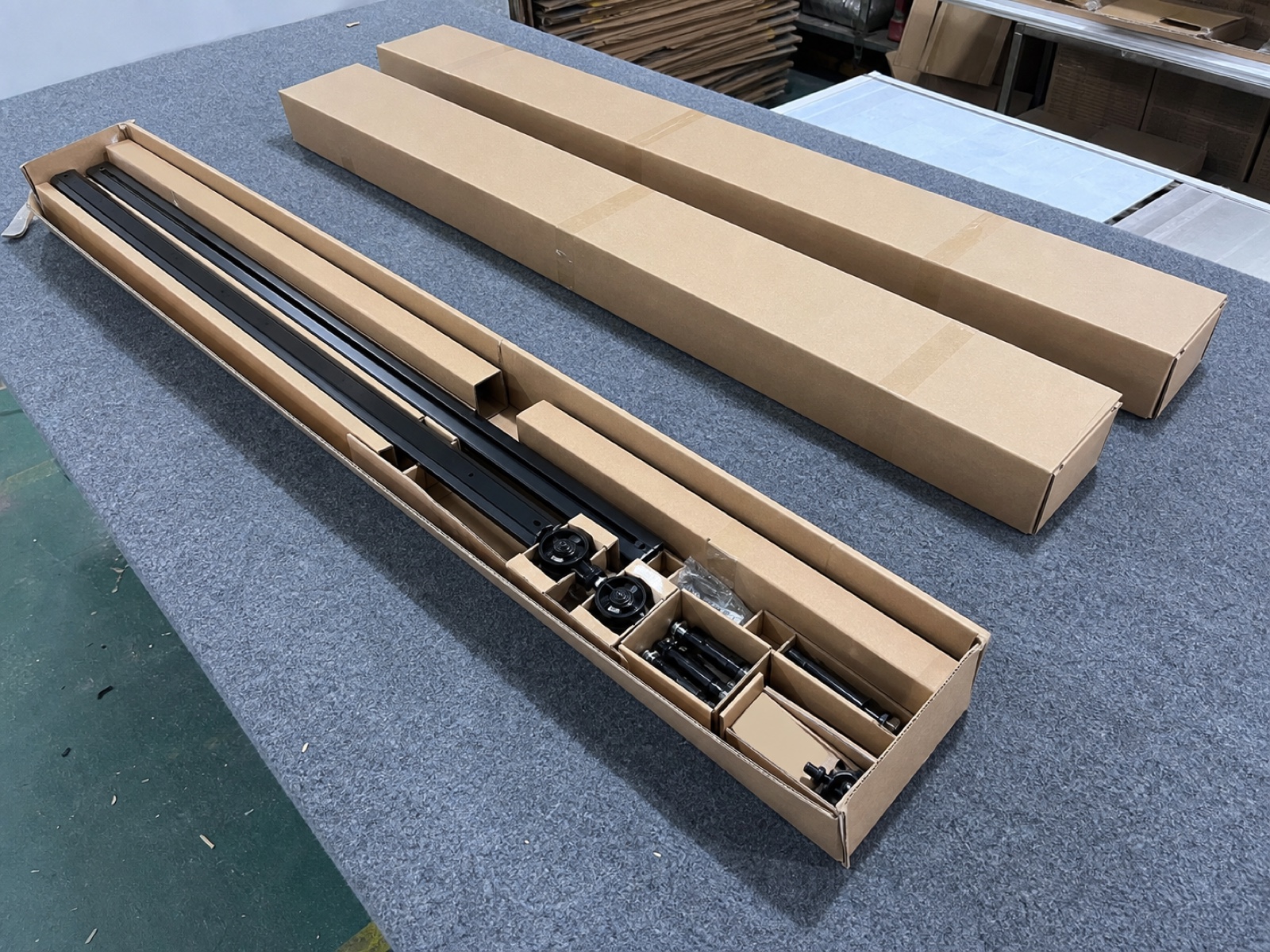
Illustrative long rectangular carton pack-out for barn door rails, roller hangers and fastenersOEM / ODM Development Process

Finish, branding & packaging

Coordinate the Product and Its Buyer-Facing Details

Branding and packaging options are subject to product, quantity and handling review. Artwork, placement and pack-out instructions are confirmed before use.

  • Finish directionReference color and appearance targets
  • Logo placementProduct, label or packaging application review
  • Label & manualBuyer-supplied content and document requirements
  • Inner packingProtection and component organization discussion
  • Outer cartonCarton marking and pack quantity review
  • Barcode & markingSubject to final buyer instruction and feasibility

Requirement-based coordination

Quality, Testing & Inspection Logic

Checkpoints are defined around the confirmed project specification. This section describes coordination logic and does not imply a particular certification or laboratory status.

Quality checkpoints

  • Dimensional review against the confirmed reference
  • Finish and visible appearance review
  • Component combination and quantity check
  • Comparison with the final approved specification
  • Packaging configuration and marking review

Testing coordination

  • Product-specific testing can be arranged based on project requirements.
  • Third-party testing or inspection is subject to the requested scope, cost and schedule.
  • Applicable documents and destination-market requirements should be shared during evaluation.
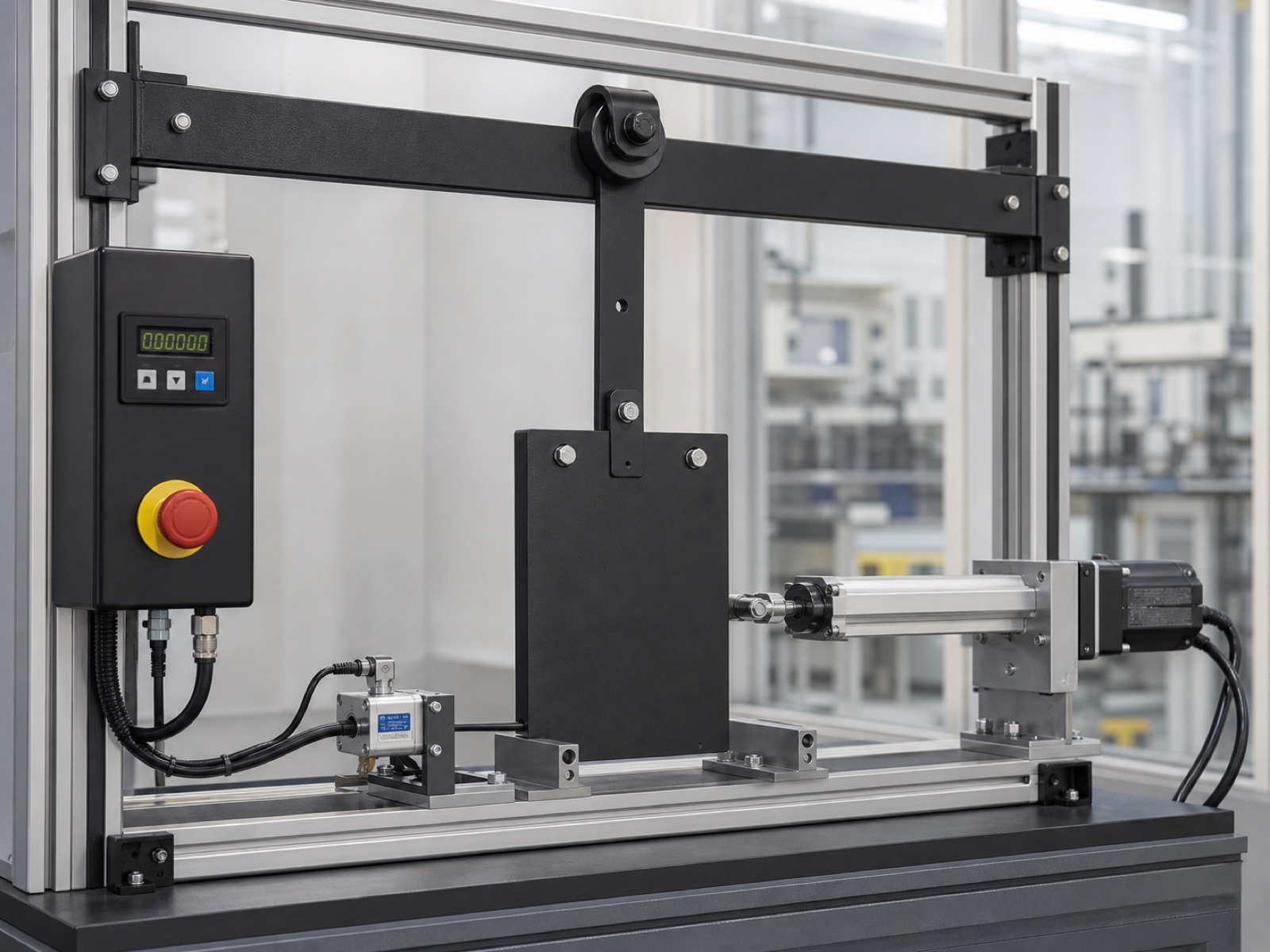
Illustrative durability cycle-testing machine for a barn door rail and roller hanger
Project-specific check plan
Factory Operations

Real Factory Evidence

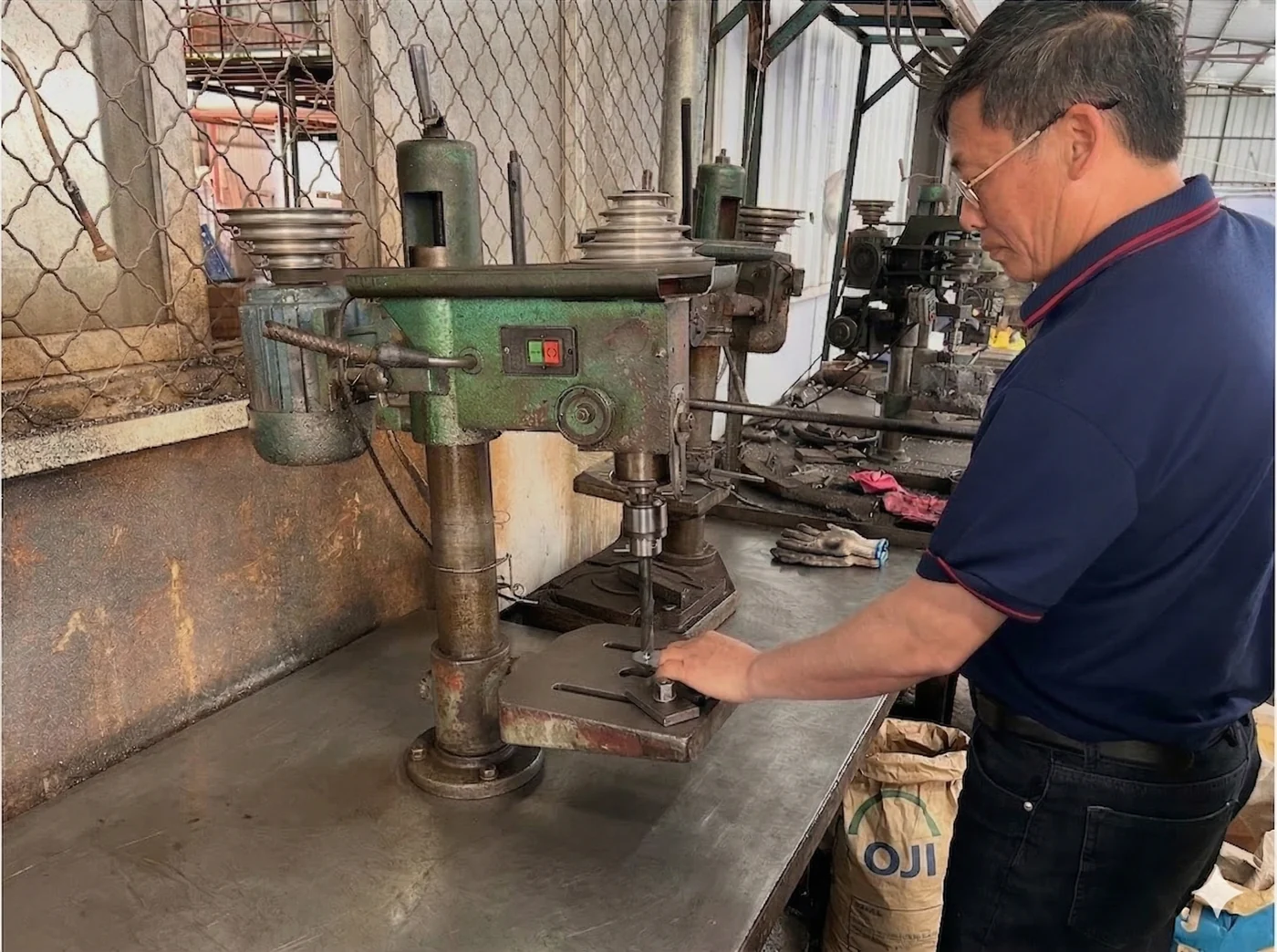
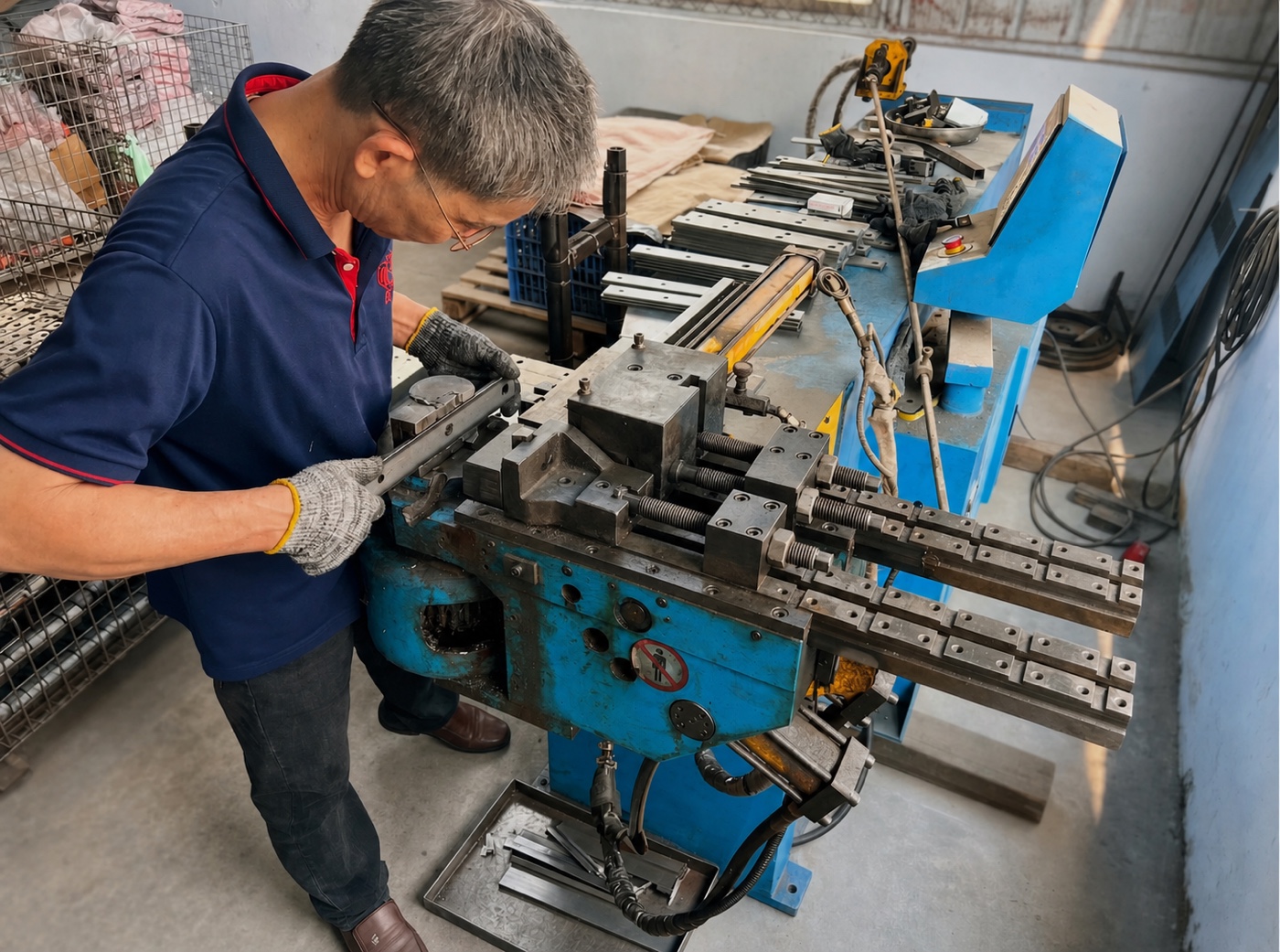
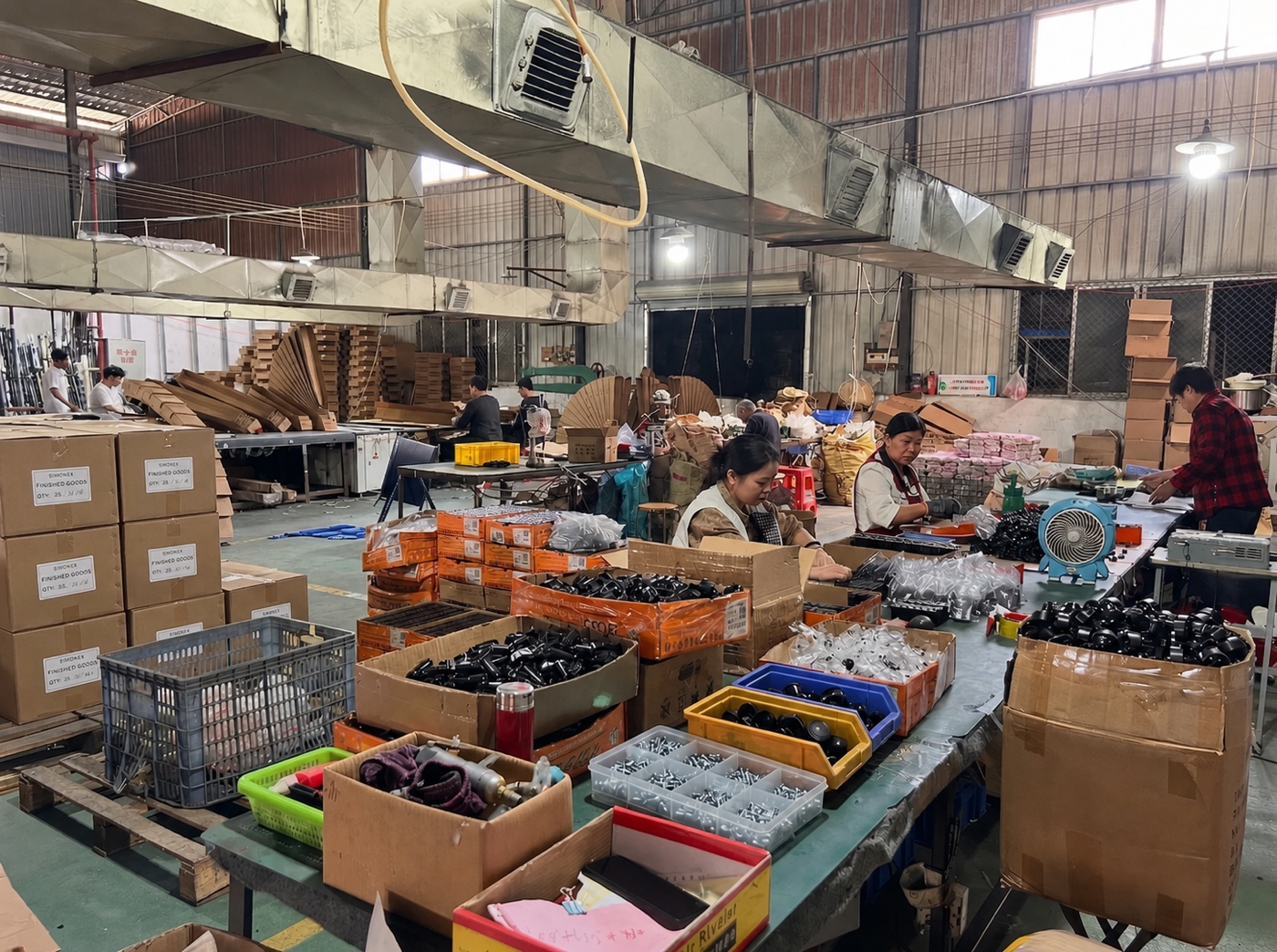
Selected process photos show drilling, machining, assembly and packing operations at Married Metals.

Drilling in the Married Metals factory
DrillingFactory drilling process
Machining in the Married Metals factory
MachiningFactory machining process
Assembly & Packing in the Married Metals factory
Assembly & PackingAssembly and packing process

Start with what you have

Submit an OEM / ODM Project Brief

Share the current requirement, reference and estimated quantity. Married Metals can review what information is still needed before a sampling or quotation route is proposed.

Useful filesDrawing · specification · product photos · packaging reference
Direct file emailsales@married.top

Attach one reference file in PDF, image or Word format when it helps explain the project.

All feasibility, sample and production arrangements are confirmed project by project.